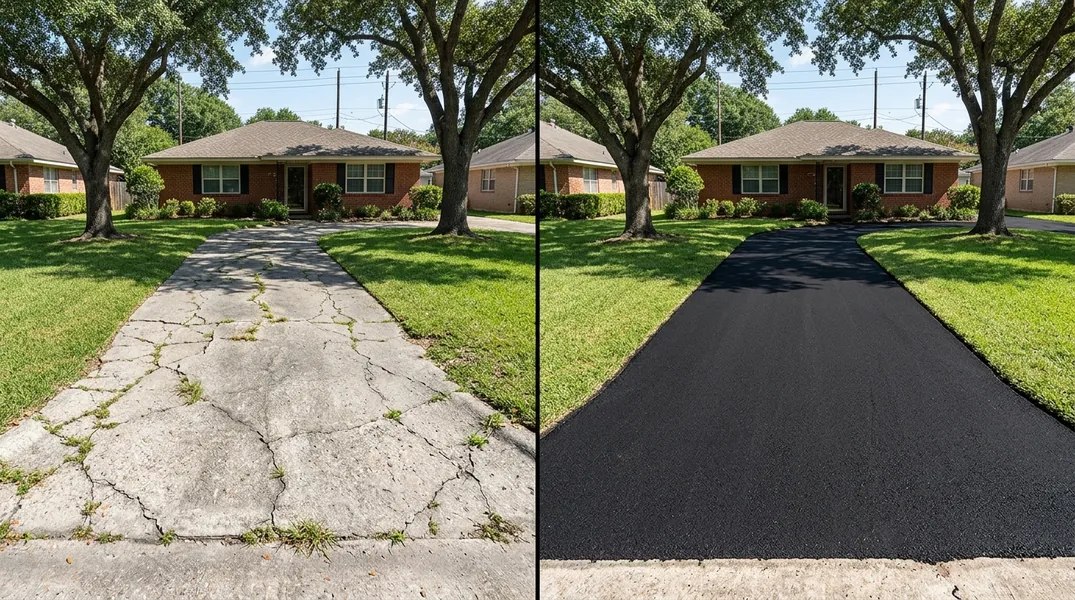
How Long for Asphalt to Cure: Understanding the Timeline
One of the most common questions homeowners ask after investing in Asphalt Driveway Paving & Installation is how long the asphalt needs to cure before it's ready for regular use. The answer is more nuanced than a simple number, as several factors influence the curing process.
In ideal conditions, new asphalt typically reaches initial cure within 48 to 72 hours. However, this doesn't mean your driveway is fully cured. The material continues to harden and strengthen over several weeks. Full cure generally takes 6 to 12 months, depending on weather conditions, traffic load, and the specific asphalt mix used. During this extended curing period, the asphalt becomes more resistant to cracking and rutting as the oils and volatiles evaporate and the binder fully sets.
Weather plays a significant role in curing speed. Warm, sunny days accelerate the process, while cool, rainy, or humid conditions slow it down. For homeowners in Houston, where summers are hot and humid, you'll typically see faster initial curing. However, the high heat and moisture can also create challenges, which is why proper installation and early care are essential to achieving a long-lasting driveway.
How Long Before You Can Drive on New Asphalt: A Practical Guide
The question of when you can actually use your new driveway is different from when it's fully cured. Most contractors, including Houston Asphalt Paving, recommend waiting at least 24 to 48 hours before driving on freshly laid asphalt. This initial period allows the surface to set enough to support vehicle weight without leaving tire marks or ruts.
That said, light foot traffic is generally safe after 24 hours. You can walk on the driveway, park a car briefly, or move light items across it. However, avoid heavy vehicles, prolonged parking in the same spot, or activities that put concentrated pressure on the surface during this early phase. Parking a loaded truck or allowing the asphalt to sit under direct sunlight while still warm and soft can cause permanent impressions or soft spots.
For the first two weeks after installation, try to minimize heavy use. Avoid sharp turns, sudden acceleration, or extended idling, as these actions can stress the asphalt while it's still gaining strength. Once you reach the 7 to 10 day mark, normal driving becomes acceptable, though you should still be mindful of the driveway's condition. If you notice any soft spots, unusual discoloration, or areas that seem to be settling unevenly, contact a professional immediately to assess whether additional Driveway Repair is needed.
New Asphalt Driveway Care: Essential Steps for Long-Term Health
Proper care during the first few months after installation is crucial for the longevity of your driveway. New asphalt driveway care starts immediately and continues throughout the year. The most important step is keeping the surface clean and free from debris. Leaves, dirt, and organic matter can trap moisture and accelerate deterioration. Sweep or blow off your driveway regularly, especially during fall and winter months.
Avoid using harsh chemicals or salt-based de-icers on new asphalt, particularly during the first winter. Salt can damage the binder and create surface scaling. If you live in an area where ice is a concern, use sand or kitty litter for traction instead. Additionally, be cautious with oil and gasoline spills. While mature asphalt can handle minor spills, new asphalt is more porous and vulnerable to petroleum absorption, which can soften the binder and compromise the surface. Clean spills immediately with absorbent materials and mild soap.
During the hot Houston summers, watch for standing water or drainage issues. Proper drainage prevents water from pooling on the surface, which can weaken the asphalt and create cracks. If you notice areas where water collects, address the underlying grading or drainage problem early. Small issues are far less expensive to fix than waiting until they develop into major Pothole Repair & Asphalt Patching needs.
How Often to Seal Driveway: Protecting Your Investment
Sealing is one of the most effective ways to extend the life of your asphalt driveway. Many homeowners wonder how often to seal driveway surfaces, and the answer depends on several factors including climate, traffic, and the quality of the original installation. As a general rule, you should wait 6 to 12 months after initial installation before applying your first seal coat. This waiting period allows the asphalt to fully cure and any excess oils to evaporate.
After that initial seal, plan to reapply sealant every 2 to 3 years. In the hot, humid climate of Houston, where UV rays and temperature fluctuations are intense, you may want to seal every 2 years rather than waiting the full 3. Seal coating protects the asphalt from oxidation, UV damage, water penetration, and chemical spills. It also restores the rich, dark appearance of your driveway and makes it easier to clean.
Regular sealing is far more cost-effective than waiting until major damage occurs. A seal coat costs a fraction of what Asphalt Resurfacing & Overlay or full replacement would cost. If you're unsure about the right sealing schedule for your specific driveway, contact Houston Asphalt Paving at (832) 956-1892 for a professional assessment and recommendation tailored to your property's needs.
Navigating Your Driveway Through the First Summer
The first summer after installation is a critical period for new asphalt. High temperatures can cause the material to soften temporarily, and intense UV exposure begins the oxidation process that gradually hardens and darkens the surface. During summer months, avoid leaving vehicles parked in the same spot for extended periods, as the combined weight and heat can create soft spots or impressions. If possible, park in a shaded area or rotate parking locations.
Monitor your driveway closely during summer for any signs of distress. Look for small cracks, areas where the surface seems to be settling unevenly, or spots where the asphalt appears to be bleeding (showing an oily surface). These early warning signs can indicate issues that need prompt attention. Small cracks can be sealed before they become larger problems, and addressing drainage issues early prevents water from causing deeper damage.
Consider scheduling a professional inspection at the end of your first summer. A trained eye can spot potential problems that may not be obvious to homeowners. If you notice anything concerning, don't wait to get a free estimate from Houston Asphalt Paving. Early intervention is always more affordable and effective than dealing with extensive damage later.
When to Call a Professional: Asphalt Driveway Paving & Installation Near Me
While basic maintenance like sweeping and cleaning is something every homeowner can do, certain situations require professional expertise. If you notice cracks wider than a quarter-inch, soft spots that don't firm up after several weeks, or areas where the asphalt is pulling away from the edges, these are signs that professional evaluation is needed. Similarly, if drainage problems develop or if you're unsure whether your driveway is curing normally, reaching out to a qualified contractor is the right call.
Houston Asphalt Paving has the expertise to assess your driveway's condition and recommend the best course of action, whether that's simple repairs, seal coating, or more extensive work. We understand the unique challenges that Houston's climate presents and can guide you through proper care and maintenance. With our experience in the local market, we know what works and what doesn't for driveways in this region. If you have questions about your new asphalt or want professional guidance on maintenance, call us at (832) 956-1892 or visit our website for a free estimate today.
Looking for a professional asphalt paving contractor in Houston? Houston Asphalt Paving responds fast for all your asphalt paving needs.
Get a Free Quote